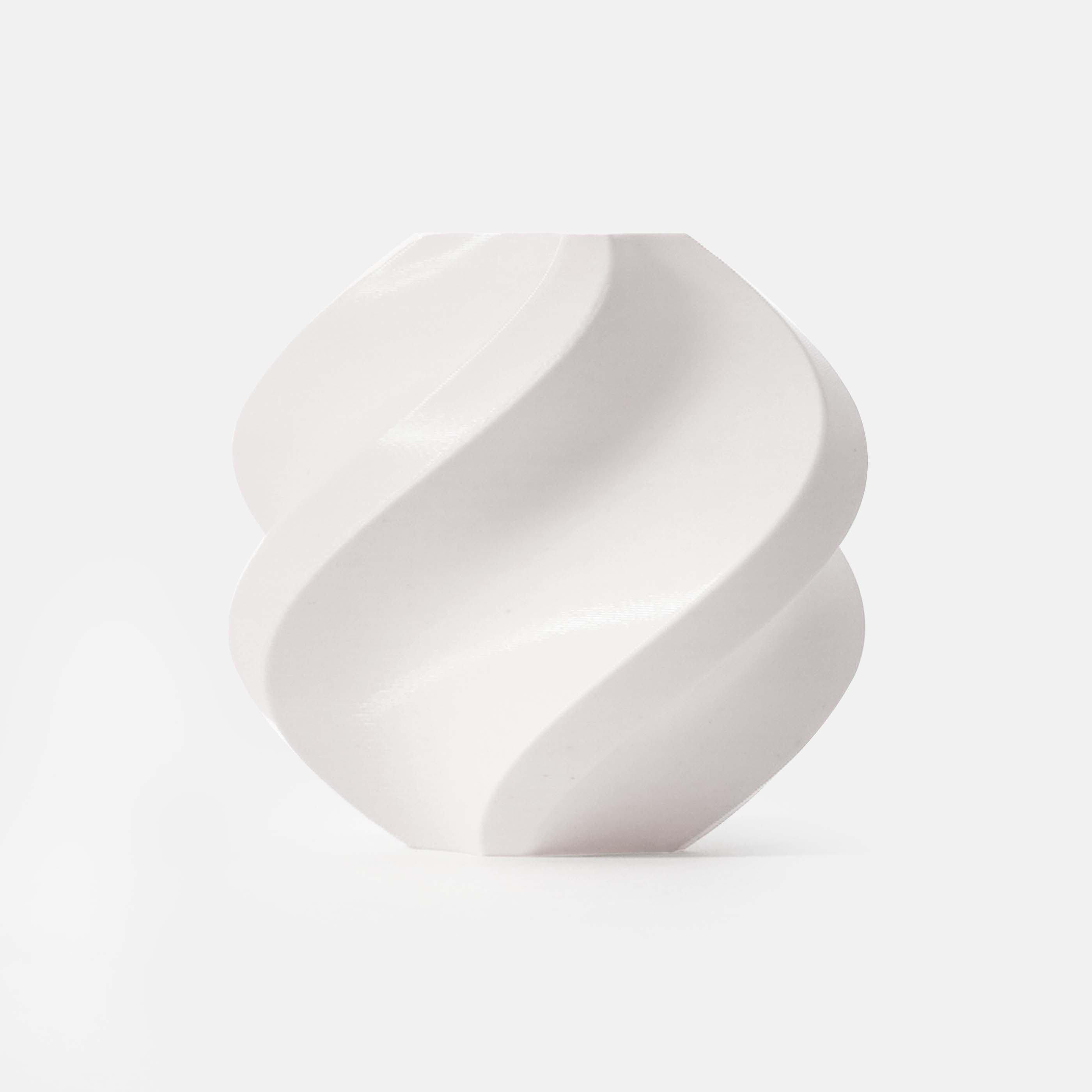
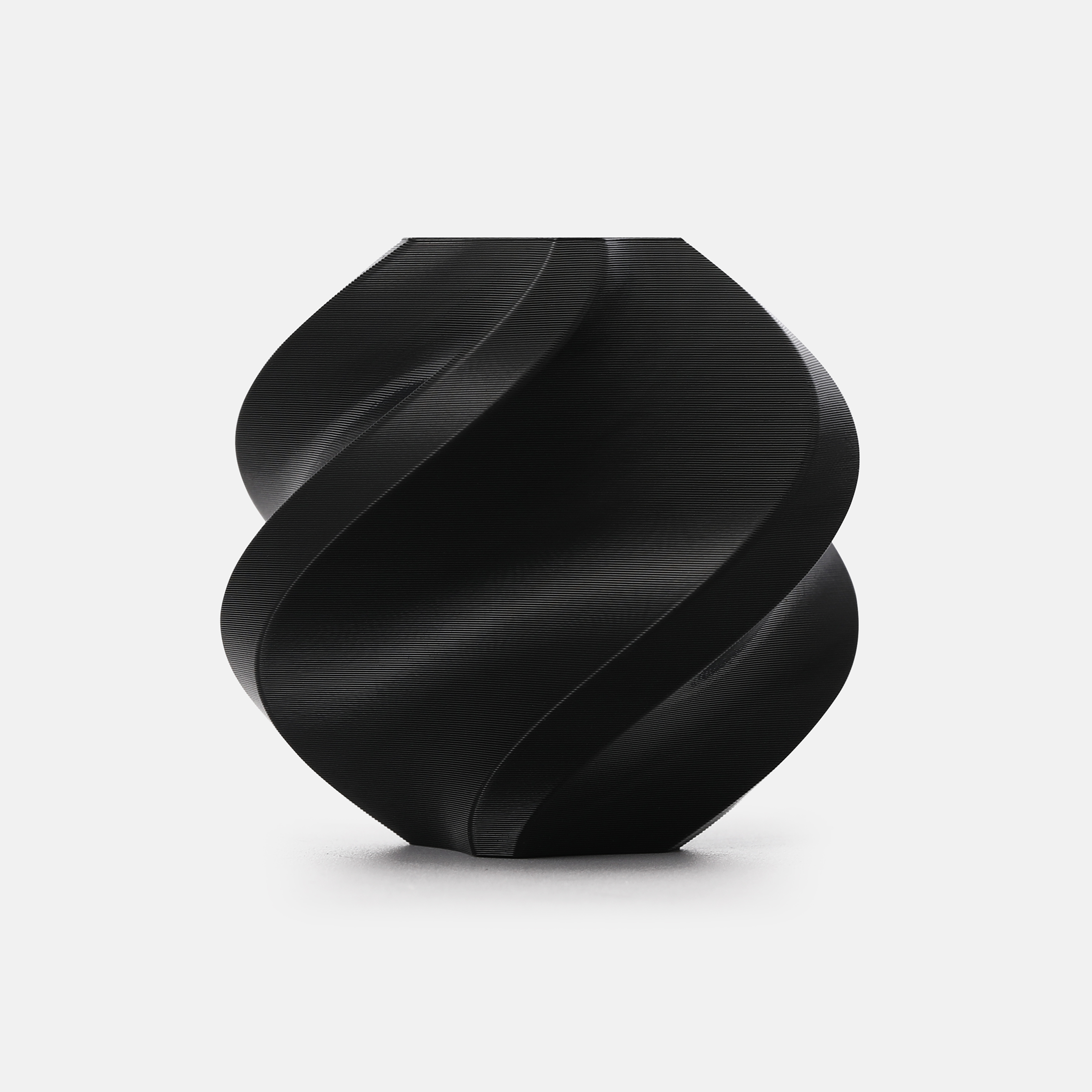
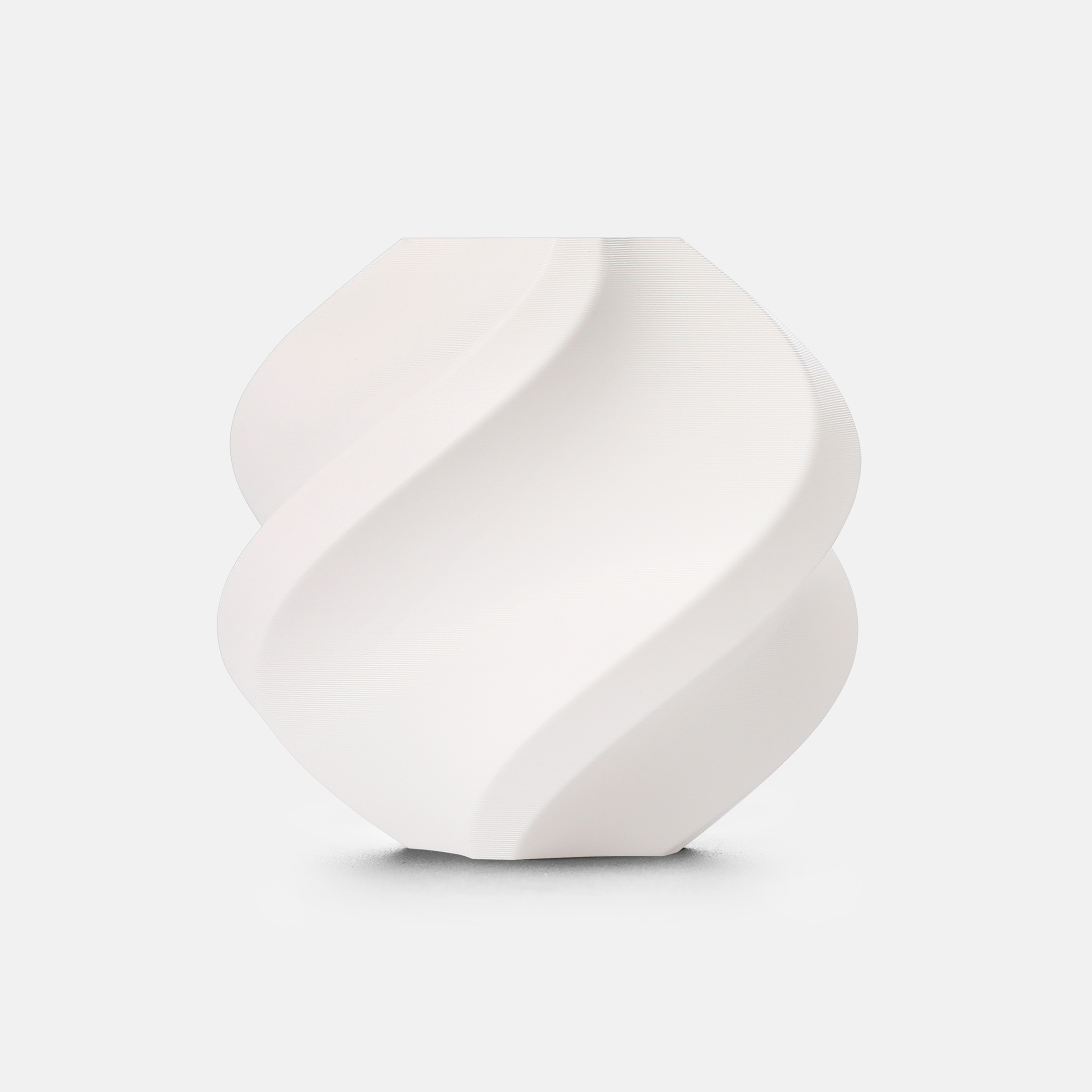
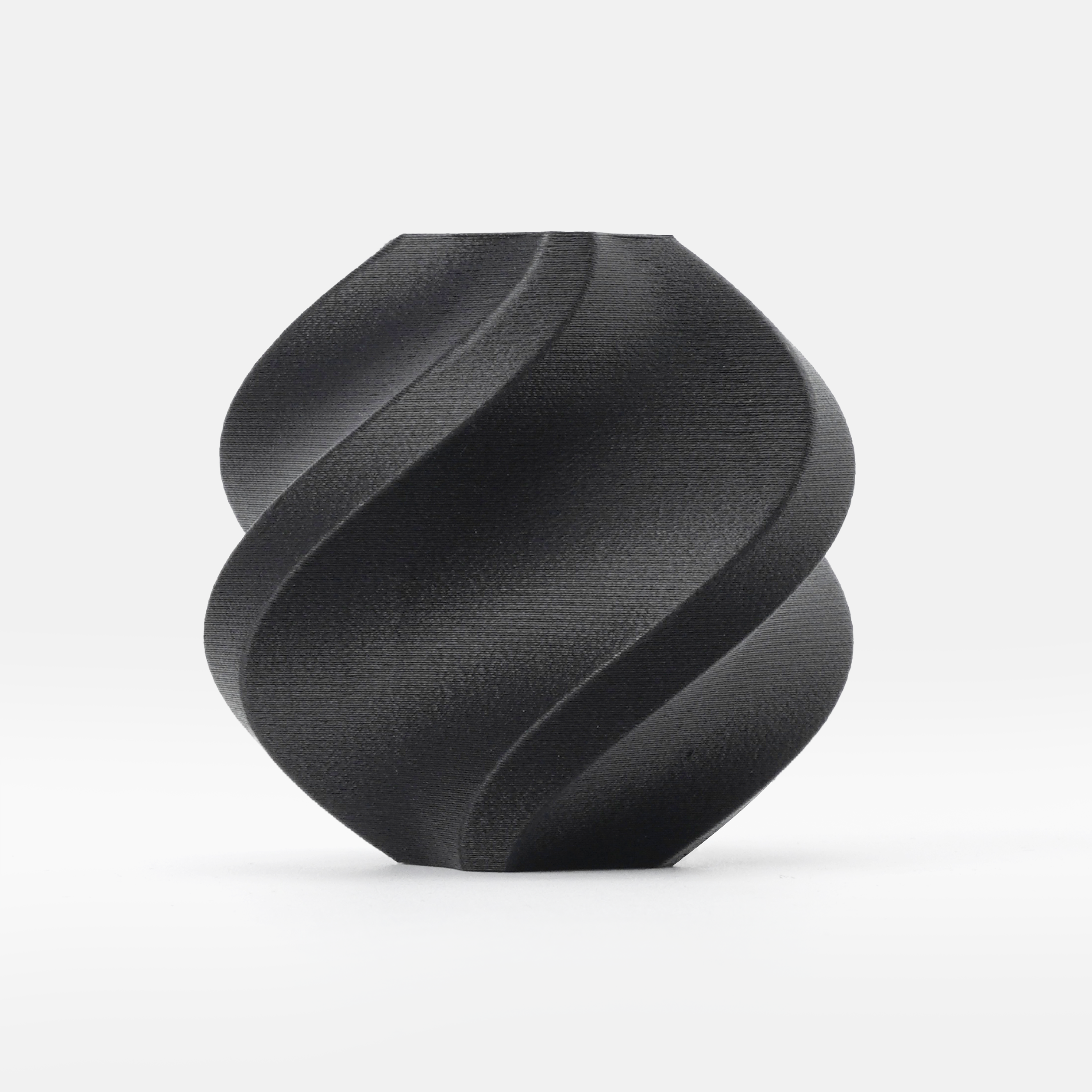
Build Plate Co logo ThebuildplateCo Instant service quotes

Materials guide

Choose the material that fits the job, then go quote with confidence.

This page is written for both first-time buyers and technical buyers. Start with the use-case guidance if you just need a recommendation, or scroll into the detailed property tables if you want specific material data.

1
Need the simplest choice? Start with PLA for indoor prototypes and general parts
2
Need more durability? Move to PETG for tougher everyday functional parts
3
Need stiffness or more heat? Compare the carbon-filled options below

Quick chooser

What matters most for your part?

PLA filament spool PLA: Best starting point for easy indoor parts Choose PLA when you want the easiest, lowest-risk option for prototypes, display parts, shop helpers, and general indoor use.
Colors: Black, White Ease: Very easy Heat: Low
Best for
  • Visual prototypes and concept models
  • Indoor fixtures, jigs, organizers, and brackets
  • Fast, economical parts when heat resistance is not critical
Not ideal for
  • Hot car interiors or sun-exposed outdoor use
  • Parts that need to flex repeatedly without cracking
  • Higher-heat mechanical environments
View PLA technical details
PETG filament spool PETG: Best all-around upgrade for tougher everyday parts Choose PETG when you need a more durable, water-resistant, and weather-resistant part than PLA without moving into carbon-fiber materials.
Colors: Black, White Ease: Easy to moderate Heat: Moderate
Best for
  • Functional parts that need better toughness than PLA
  • Outdoor or utility parts exposed to water and weather
  • General-use brackets, mounts, covers, and enclosures
Not ideal for
  • Projects where maximum stiffness matters more than toughness
  • Very high-heat environments
  • Parts where the easiest beginner printing behavior is the top priority
View PETG technical details
PETG-CF filament spool PETG-CF: Best for stiffer matte functional parts Choose PETG-CF when you want a stiffer, more dimensionally stable part with a matte carbon-fiber look and better wear resistance than standard PETG.
Colors: Black Ease: Moderate Heat: Moderate
Best for
  • Stiff brackets, jigs, tool holders, and structural parts
  • Applications that benefit from better dimensional stability
  • Parts where a matte, technical finish is desirable
Not ideal for
  • Users who need the simplest beginner material choice
  • Parts that need a lot of flex or ductility
  • Designs with very fine passages that are more clog-prone with filled materials
View PETG-CF technical details
PET-CF filament spool PET-CF: Best for higher-stiffness engineering parts and more heat Choose PET-CF when stiffness, dimensional stability, and better heat performance matter more than ease of printing or ductility.
Colors: Black Ease: Advanced Heat: High
Best for
  • Engineering-style brackets, frames, and machine components
  • Parts that benefit from low warping and strong dimensional stability
  • Applications needing higher stiffness or better heat performance
Not ideal for
  • Beginners who just need a simple all-purpose material
  • Parts that need to flex or absorb impact repeatedly
  • Designs that cannot tolerate the extra brittleness of carbon-filled material

View PET-CF technical details

Material details

PLA

Ease: Very easy Toughness: Moderate Heat: Low
PLA filament spool

Choose PLA when you want the easiest, lowest-risk option for prototypes, display parts, shop helpers, and general indoor use.

Use this when
  • Visual prototypes and concept models
  • Indoor fixtures, jigs, organizers, and brackets
  • Fast, economical parts when heat resistance is not critical
Avoid this when
  • Hot car interiors or sun-exposed outdoor use
  • Parts that need to flex repeatedly without cracking
  • Higher-heat mechanical environments
Available colors Black, White
Typical finish Clean, crisp detail
Property Value
Density 1.21 g/cm3
Tensile strength 53.4 MPa
Elongation at break 20.3%
Flexural strength 81.8 MPa
Flexural modulus 2740 MPa
Impact strength 19.8 kJ/m2 (Izod notched)
Heat deflection temperature 53.8 C
Vicat softening temperature 54 C
Melting point 164 C
Nozzle temperature 195-205 C at 50-100 mm/s; 205-220 C at 100-300 mm/s
Bed temperature 50-60 C
Drying guidance 50 C
Filament dimensional tolerance 1.75 mm filament, +/- 0.02 mm

Material details

PETG

Ease: Easy to moderate Toughness: High Heat: Moderate
PETG filament spool

Choose PETG when you need a more durable, water-resistant, and weather-resistant part than PLA without moving into carbon-fiber materials.

Use this when
  • Functional parts that need better toughness than PLA
  • Outdoor or utility parts exposed to water and weather
  • General-use brackets, mounts, covers, and enclosures
Avoid this when
  • Projects where maximum stiffness matters more than toughness
  • Very high-heat environments
  • Parts where the easiest beginner printing behavior is the top priority
Available colors Black, White
Typical finish Slightly glossier, durable finish
Property Value
Density 1.29 g/cm3
Tensile strength 42 +/- 2 MPa
Elongation at break 8.9% +/- 1.5%
Flexural strength 68 +/- 2 MPa
Flexural modulus 2097 +/- 173 MPa
Impact strength 87.6 +/- 4.2 kJ/m2
Heat deflection temperature 72 C
Vicat softening temperature 70 C
Melting point 216 C
Nozzle temperature 240-270 C
Bed temperature 65-70 C
Drying guidance 60 +/- 5 C for 8 hours
Recommended print speed < 600 mm/s
Filament dimensional tolerance +/- 0.02 mm

Material details

PETG-CF

Ease: Moderate Toughness: Moderate to high Heat: Moderate
PETG-CF filament spool

Choose PETG-CF when you want a stiffer, more dimensionally stable part with a matte carbon-fiber look and better wear resistance than standard PETG.

Use this when
  • Stiff brackets, jigs, tool holders, and structural parts
  • Applications that benefit from better dimensional stability
  • Parts where a matte, technical finish is desirable
Avoid this when
  • Users who need the simplest beginner material choice
  • Parts that need a lot of flex or ductility
  • Designs with very fine passages that are more clog-prone with filled materials
Available colors Black
Typical finish Matte carbon-fiber texture
Property Value
Density 1.29 g/cm3
Tensile strength 41 +/- 8 MPa
Elongation at break 9.6% +/- 1.0%
Flexural strength 75 +/- 2 MPa
Flexural modulus 3040 +/- 21 MPa
Impact strength 70.7 +/- 6.2 kJ/m2
Heat deflection temperature 74 C
Vicat softening temperature 83 C
Melting point 226 C
Nozzle temperature 240-270 C
Bed temperature 65-75 C
Drying guidance 60 +/- 5 C before printing; 70 C for 8 hours for best quality
Recommended print speed < 220 mm/s
Nozzle note 0.4 / 0.6 / 0.8 mm hardened steel nozzle recommended; 0.2 mm not compatible

Material details

PET-CF

Ease: Advanced Toughness: Moderate Heat: High
PET-CF filament spool

Choose PET-CF when stiffness, dimensional stability, and better heat performance matter more than ease of printing or ductility.

Use this when
  • Engineering-style brackets, frames, and machine components
  • Parts that benefit from low warping and strong dimensional stability
  • Applications needing higher stiffness or better heat performance
Avoid this when
  • Beginners who just need a simple all-purpose material
  • Parts that need to flex or absorb impact repeatedly
  • Designs that cannot tolerate the extra brittleness of carbon-filled material
Available colors Black
Typical finish Matte engineering finish
Property Value
Density 1.30 g/cm3
Composition PET with 15% carbon fiber
Tensile strength (XY) 74 MPa unannealed; 73 MPa annealed
Tensile strength (Z) 35 MPa unannealed
Young's modulus (XY) 5950 MPa unannealed; 6700 MPa annealed
Young's modulus (Z) 3400 MPa unannealed
Elongation at break (XY) 2.5% unannealed; 1.5% annealed
Elongation at break (Z) 1.15% unannealed
Charpy impact strength 9 kJ/m2 unannealed; 4.8 kJ/m2 annealed
Flexural strength 116 MPa unannealed; 115 MPa annealed
Flexural modulus 5600 MPa unannealed; 5900 MPa annealed
Vicat softening temperature 220 C
Glass transition temperature 80 C
Izod impact 36 kJ/m
HDT at 1.8 MPa 76.6 C unannealed; 118 C annealed
HDT at 0.45 MPa 86.7 C unannealed; 176 C annealed
Melting point 250 C
Water absorption 0.5%
Nozzle temperature 280-320 C
Bed temperature 60-80 C
Drying guidance 90 C for 4-6 hours if moisture is present
Nozzle note 0.4-1.0 mm hardened steel or better; 0.6 mm or larger recommended for higher-speed printing
Filament dimensional tolerance 1.75 +/- 0.02 mm